
Thank you for Subscribing to Energy Business Review Weekly Brief
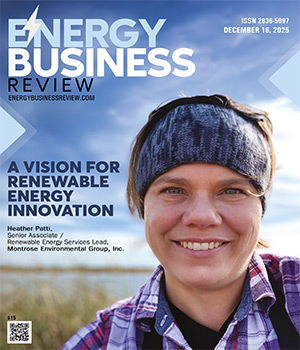
Heather Patti lives in Raleigh, NC and is a Senior Associate with Montrose Environmental Solutions, Inc with 24 years of experience in the environmental consulting industry. Heather’s focus is to support greenfield and brownfield renewable energy projects of all sizes, from the early site due diligence phase through Issued-For-Construction permits. She provides multi-disciplinary project management, coordinates civil and electrical design, supports project siting & qualification, conducts critical issues analyses, environmental due diligence surveys, completes Federal, State and Local Permits, and attends local hearings and open houses on her client’s behalf. Heather is a passionate ambassador of the renewable energy industry, and helps leadMontrose’s Renewable Energy Services practice. Please tell us about your journey and key roles and responsibilities in this industry. Over the past decade, I’ve been deeply immersed in the renewable energy sector, specializing in early site due diligence and civil engineering for solar and battery energy storage projects. My responsibilities span from conducting feasibility studies and site assessments to navigating zoning and permitting regulations, all while fostering collaboration with our clients, local stakeholders and communities. Additionally, I’m dedicated to advocating for sustainable development initiatives, including brownfield rejuvenation, and promoting environmental conservation. What are some recent trends and challenges impacting the industry? Recent trends in the renewable energy industry include increasing global demand driven by environmental concerns and advancements enhancing efficiency and affordability. However, challenges persist, including policy fluctuations, interconnection delays, supply chain disruptions, grid integration complexities, and workforce development needs. Climate change also underscores the importance of designing resilient infrastructure to ensure long-term sustainabi
Top Energy Contingent Labor Solutions 2025
In the unpredictable world of energy, stability is a rare commodity. Projects shift overnight, regulations evolve without warning, and labor demands often change faster than companies can adapt. For nearly four decades, The Bergaila Companies have been the constant in that chaos, ensuring that every workforce challenge finds a clear, confident solution. Founded in 1987, The Bergaila Companies began with a simple idea: to bring a more personal and dependable approach to contingent labor. Today, the company remains guided by the same principle, even as it supports some of the nation’s most complex oil, gas, and petrochemical projects. What makes Bergaila exceptional is not only its ability to respond to immediate needs but also its knack for anticipating what comes next. “The energy sector is rarely predictable. What sets us apart is our ability not only to respond to current demands, but to anticipate what comes next,” says Meghan Bergaila, Director of Communications. That philosophy of preparedness through foresight has shaped the company’s entire operating model. Bergaila’s recruiters are not generalists; they are specialists who understand the field inside and out. They know what it means to deploy skilled professionals to remote sites, often under tight deadlines and demanding conditions. This depth of knowledge allows the company to build what it calls an “always ready” infrastructure that can mobilize talent quickly, accurately, and without disruption..

Energy Management Consulting Firm

Archrock, a leading energy infrastructure company primarily focusing on midstream natural gas compression, delivers contract compression services and a full suite of products and services in aftermarket services, in every major producing basin across the U.S. Leveraging its rich heritage of 70 years in this space, Archrock utilizes equipment and provides expert manpower to maximize compression uptime for its customers, while its aftermarket services keep customer-owned equipment well-maintained and reliably running. “Through our technological advancements and digital transformation, we are leading the industry in using innovative tools and remote monitoring to provide us with in-depth equipment knowledge necessary to maintain maximum uptime by predictively uncovering and proactively correcting mechanical issues before they escalate,” says Eric Thode, SVP of operations.
Energy Broker
How would you find “best pricing” for electricity and natural gas? What if you were tasked with getting some quotes. Who would you request quotes from? Would you do an internet search for Energy Suppliers? What would you ask of them? How many quotes would you get? I could go on and on with the questions. Would you like me to tell you from our experience what we’ve found companies are doing? Jim Charron, the CEO of Avion Energy Group answers this directly, but firstly let’s learn a bit about him, the company he has co-founded and the great team he has assembled. Charron and his business partner, Joe Mittiga founded Avion Energy in July of 2010. They have been serving clients for 14 years. “In that 14 year span we feel like we’ve seen it all,” he says. Somewhere back in time it became the established best practice for business shopping, that you would seek three quotes, compare them and in most cases choose the lower price, especially if the product was the same quality, features, and function. When shopping for Electricity and Natural Gas we don’t have to compare any features. Electricity and natural gas are commodities. Everybody gets the same thing. No one is selling special electricity. Over the past 14 years, when Avion Energy first engaged with clients, it was in three categories: • No one at the business is shopping for electricity or natural gas • Keep renewing their contract with the same energy supplier • Shopping but only getting three quotes First category – no one at the business is shopping for electricity or natural gas. The bill comes in the mail and makes its way to the accounting department and gets paid without anyone questioning anything about it. Everyone knows the business needs electricity. Everybody knows if you don’t pay the bill, they will turn it off. It’s one of those must have and must pay expenses. In our initial conversations with one of the “no shoppers,” we always ask why they don’t do any shopping for better rates; these are the common responses we hear, “I didn’t know I could shop for competitive rates; I thought I had to buy from the utility company.” Or I thought if I bought from someone other than the utility company, they might be upset with me and when there is a power outage, I would be the last to receive service. The utility company doesn’t think that way. They make their money on the delivery of electricity or natural gas not on the supply of the commodities. In a deregulated market where the state legislature has made consumer choice available you can purchase from a third party. That energy supplier delivers the natural gas or the electricity to the utility company and it is passed along through their infrastructure to the meter on the outside of your building. The energy supplier gets paid on how much you use; the utility company gets paid on how much passes through the pipelines and the powerlines.

CXO INSIGHTS

Creative Procurement Solutions
Ken Jones, Senior Director of Business Services, EPB
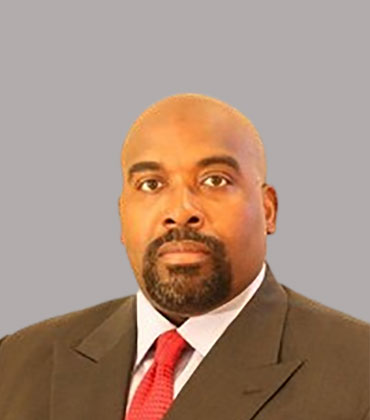
Navigating the Tides of Change in the Natural Gas Industry
Mark Reese, Vice President, U.S. Natural Gas Supply, Just Energy

Shifting Trends in Energy Sector
Sam Sadeghi, Vice President, Asset Management and Distribution Operations, Elexicon Energy

Driving Sustainable Energy Solutions For A Greener Future
Jason Colbenson, Senior Quality Assurance Specialist, Dairyland Power Cooperative

Innovation in Renewable Energy Asset Management
Robert Gomez, Head of Onshore Asset Management, Ørsted

Pacing Along the Energy Evolution
Julian Kaufmann, Executive Vice President, CAMS
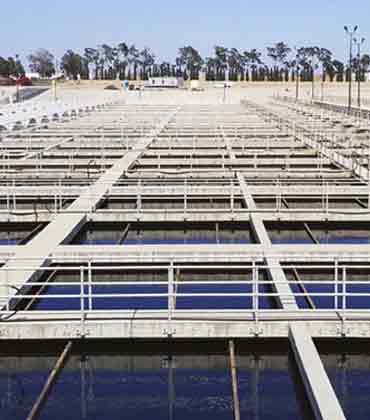
Utility Leadership and Digital Strategy: A Roadmap to Success
Benjamin Stanford, Associate Vice President, Hazen and Sawyer


IN FOCUS

Contingent Workforce Solutions for Renewable Energy
The global energy transition relies on a contingent workforce for renewable energy projects, necessitating strategic management and partnerships to address workforce challenges and ensure successful deployments.
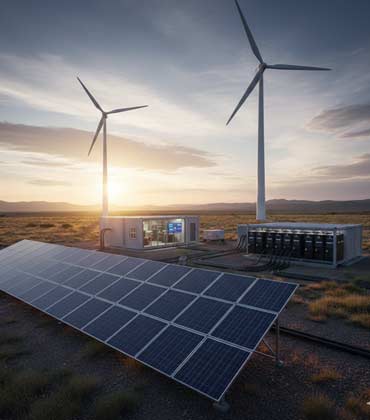
Hybrid Solar Solutions: Fortifying Power for Ultimate Resilience
Hybrid solar systems combine solar power with wind or generators to address solar intermittency, ensuring a reliable 24/7 energy supply, reducing downtime, and enhancing sustainability.
EDITORIAL
Building Workforce Agility and Sustainable Power Solutions
The evolution of the energy industry has been steady and ongoing for years. Organizations have been adjusting to new technologies, updated regulations and growing expectations around sustainability. In this continued progression, energy contingent labor solutions and commercial solar energy are helping companies maintain reliability while moving toward a more modern operational model.
Contingent labor has become a practical and strategic resource. Energy companies often need specialized skills for focused periods of time. Engineering, maintenance, system modernization and safety initiatives all require expertise that may not be available inhouse. By turning to partners that can provide qualified professionals when needed, organizations maintain project momentum without long-term hiring challenges. It is a balanced approach that delivers capability, control and cost efficiency.
Commercial solar energy brings a similar balance to power planning. Businesses are seeking stability in their energy costs and more sustainable ways to operate. Solar solutions allow them to generate clean power on their own property while reducing exposure to fluctuating utility rates. Solar is now a practical business decision with measurable performance benefits, paired with financing models and storage technologies that have steadily improved.
These solutions are not sudden disruptions. They are established strategies that continue to strengthen the energy sector. Companies that integrate flexible talent support and smarter energy generation are better positioned to serve their customers and support long-term progress.
This edition explores how organizations are driving real progress across the energy landscape. Their work shows how skilled teams and cleaner technology are building stability, reducing uncertainty and supporting a more sustainable future.
We also present insights from expert CXOs driving meaningful progress across the energy sector, including Henry Hui, Corporate VP, H2 Strategy & Energy Infrastructure at Nikkiso Clean Energy & Industrial Gases, and Awet Haddis, P.Eng., PMP, ENV SP, Senior Project Manager at Puget Sound Energy. We hope the valuable insights from industry leaders, along with the solutions and services featured in this edition, will help you make informed decisions for your business.
